We are proud to announce that the website for ASBX 2021: “Human Future”, is now live! The Third Australian Space Biology x Health Summit will be held from 16-19 November 2021 as a free hybrid event.
Visit the website to learn more, register for online and/or in-person attendance (one day event), or to consider sponsorship of the Summit‘s Christmas charity drive to provide space-themed LEGO sets for children in hospital.
Exciting news! This year the Space Health Symposium has merged with the Australian Space Biology Symposium to present the 3rd Australian Space Biology x Health Summit from 16-19 November 2021, with a stellar international cast of presenters and panellists. For more information, and to register (online and in-person available), go to: https://www.eventbrite.com.au/e/3rd-australian-space-biology-x-health-summit-tickets-161582807527. The Summit website will be going live soon – stand by!
Space Medicine and Life Sciences capability consultation
Do you work in cutting-edge medtech, clinical health, or biomedical and life sciences research that could support human space activities in orbit or on the Moon? If so, the Australian Space Agency is seeking your input in our Future Space Medicine and Life Sciences Capability Consultation.
Your input will help inform the development of the Agency’s Space Medicine and Life Sciences Roadmap. It will also be used to shape potential future opportunities for space access or funding, and ensure other opportunities align with the space industry’s current or planned activities.
Due to strong interest from stakeholders, the consultation is now open until 21 March 2021. The consultation will provide an overview of the ambitions and plans of the Australian space industry, and inform a roadmap for SMLS investment, collaboration and growth. Read more.
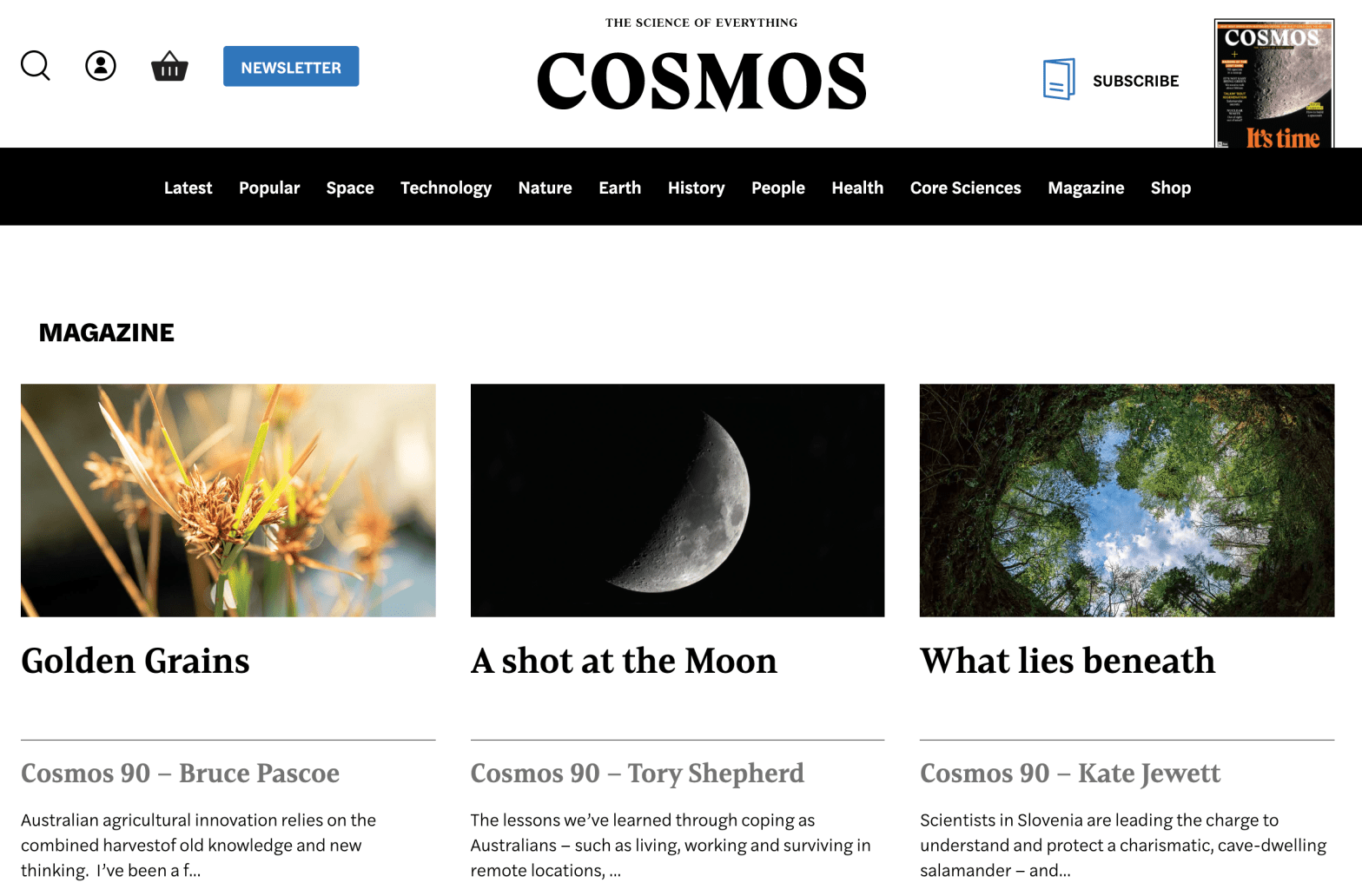
Our founder Dr Rowena Christiansen was delighted to be interviewed earlier this year by journalist Tory Shepherd for an article on Australia and space in the latest issue of COSMOS Magazine. The article features a number of Australians talking about local capacity to contribute to the next ‘moonshot’.
Rowena is featured in this excerpt from the article, “A shot at the Moon”.
COSMOS, “The Science of Everything” is a respected Australian quarterly science magazine published by the Royal Institution of Australia (RIA). It also provides digital access to subscribers, and free daily and weekly science newsletters. Please consider subscribing – we are proud to be long-term supporters. COSMOS also accepts tax-deductible donations.
The theme of World Space Week (4-10 October) this year will be “Women in Space”.
The Women in Space Chapter (WiSC) (http://wisc.nssa.com.au/) celebrates with a new webpage (http://wisc.nssa.com.au/profiles-2021/) highlighting members contributing to the Australian space sector. WiSC members are professionally engaged in space science, engineering, medicine, communication, law, business, education, governance and advocacy. Check our new website regularly for new profiles and updates on our members’ professional achievements. In the next rotation of the website, we will be introducing WiSC members who work in space health/medicine/psychology.
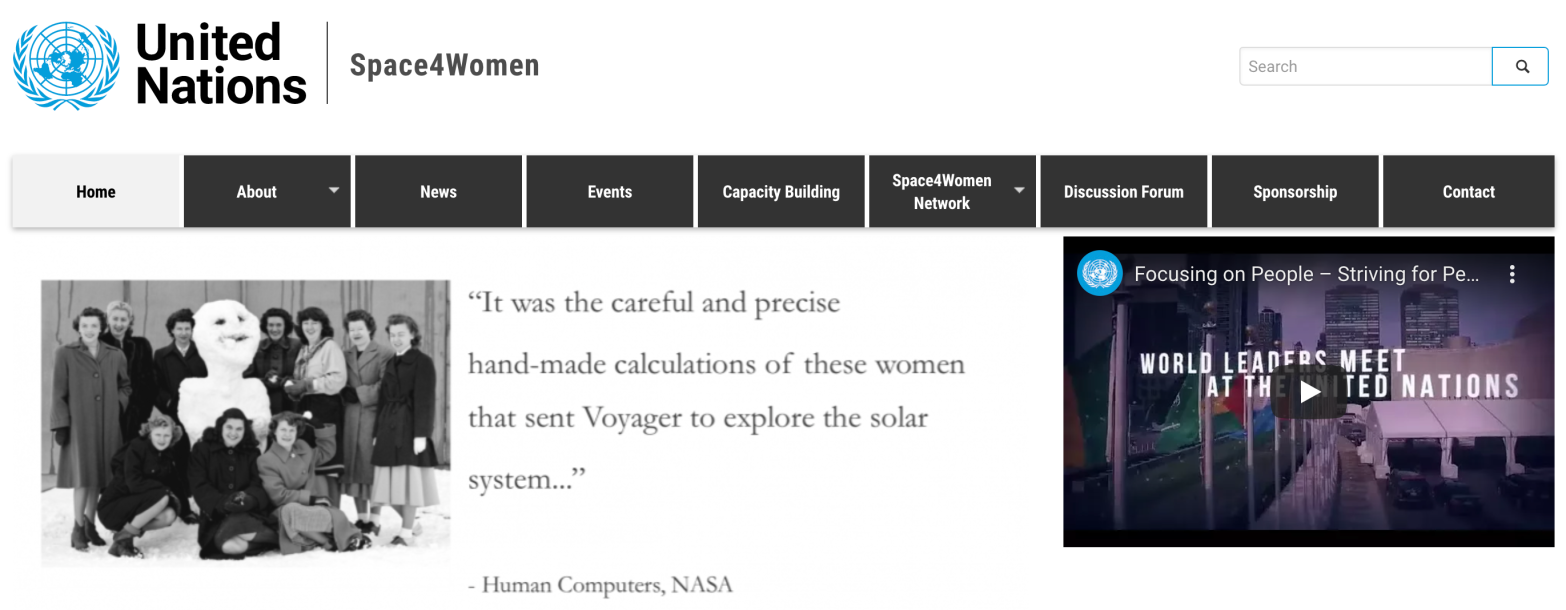
Did you know that the United Nations has a “Space4Women” website? This excellent website a number of interesting sub-pages, including the “Space4Women Network”, and links to a variety of other organisations representing women in aerospace.
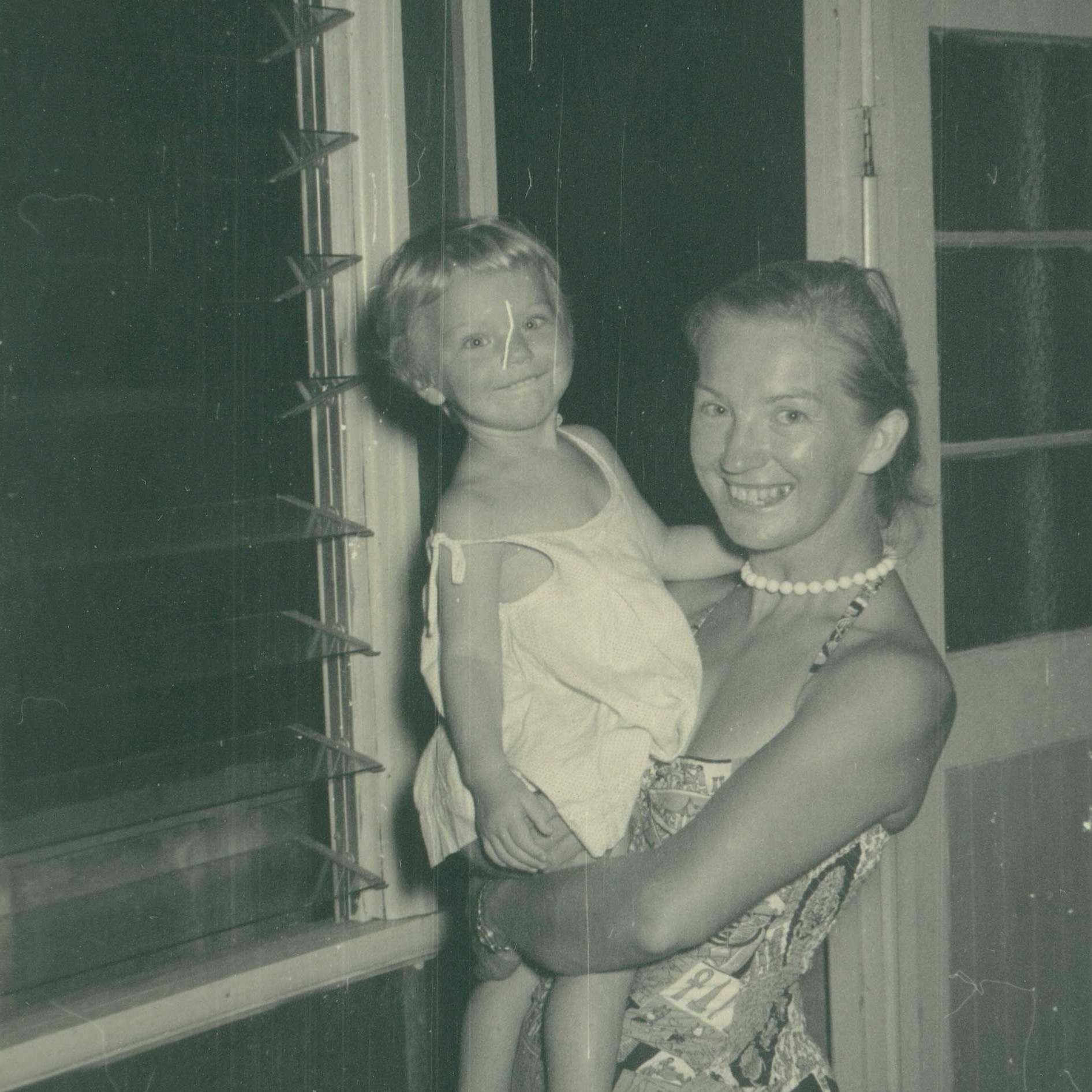
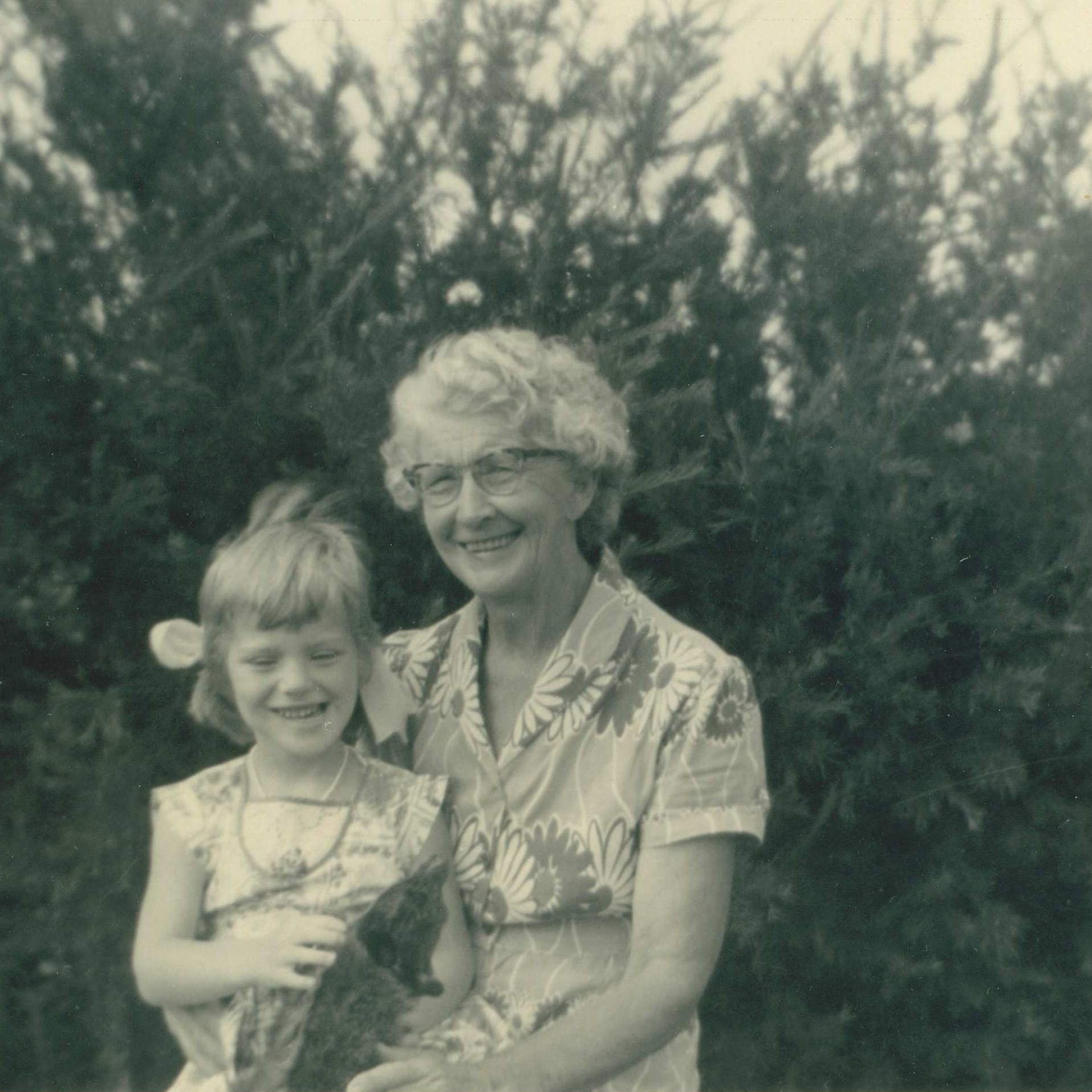
Today I would like to pay a special tribute to the women who inspired and supported me in the formative years of my life – my mother Grace, maternal grandmother Anna, great-aunt Rosa, and my aunt Mavis. All of these women were extraordinary in their own way, and taught me that there is almost no problem that can’t be solved through the application of ‘brainstorming’ and creativity.
My mother Grace and my Grandmother Anna were incredibly talented and creative crafters. Grace made her own dress in the top picture and both of my ballet costumes pictured here. One of my grandma Anna’s specialties was making felt versions of Australian fauna for her grandchildren, such as the one I am holding in the picture above. Sadly my grandma died of cancer when I was only seven, but who would ever have thought that the sewing skills learned from my mother would be put to good use making cloth face masks during a global pandemic!
UTMB Health is recruiting for several full-time positions to help support the UTMB/KBR Human Health & Performance Contract (HHPC). Below are position details for 2 Aerospace Medicine Physicians, 1 Psychiatrist and 1 Psychologist. Interested applicants should submit a current CV to ryschulz@utmb.edu and formally apply through the UTMB Career Opportunities at weblink: https://aa083.referrals.selectminds.com/jobs/search/125171.
You are a citizen of the world (US citizenship is not a requirement).
You are Visionary. Imaginative. Passionate.
*If the ASGSR membership fee is prohibitive due to financial hardship, contact us at stars@axiomspace.com
Axiom Space is supporting ASGSR in its mission to encourage exchange of ideas by bringing together a diverse group of individuals to translate basic research into applied technologies for space. All this so that we can build a thriving home for humanity in space.
The Axiom Space STARS Scholarship will open in April 2021. To be notified when the application launches, simply fill out the interest form linked below. Submit Interest Form
For membership of the American Society of Gravitational and Space Research (ASGSR) see: https://asgsr.org/member/.
Membership Types
Regular Membership US$175 Non-student, professionals of any age.
Student Membership US$35
Undergraduate and Graduate Students. HS and MS students may also purchase this membership. The age limit for student membership is 35.
Retired Membership US$75
65 years old and older, retired professionals
Lifetime Membership US$750
55 years old and older. Once purchased, membership lasts indefinitely.
Virtual reality and motion sickness
We have terrestrial and marine motion sickness, and space motion sickness (space adaptation syndrome), and now researchers have found that people may experience a form of motion sickness after engaging in a virtual reality workout: https://unisa.edu.au/unisanews/2021/february/story2/.
A Japanese millionaire, Yusaku Maezawa, is looking for 8 crew members from ALL over the world to fly-by the Moon with him in 2023 collaborating with Elon Musk. Apply here!! 🌕 https://dearmoon.earth/.
From activities in low-Earth orbit to the Artemis program, the commercial space industry is beginning to take on an increased role as innovator in both space access, commerce, and exploration. This growth of commercial space over the past decades offers the potential for a new paradigm for space exploration—one in which industry transitioned from supplier to partner. Still, many questions remain spanning from the most seemingly consequential “How will humanity explore the Moon and Mars?” to the more basic, “What is Commercial Space?” This virtually hosted symposium will explore this transformation and examine the historical context for answering these questions. Our hope is that this historical analysis will inform the relationship between government and industry moving forward.
*The event is free and open to the public. No registration required to attend sessions—simply click on the WebEx links on the web page to login during each day of the symposium. Please send any questions to brian.c.odom@nasa.gov.
Spaceleaks is a new newsletter and website aimed at space professionals: https://spaceleaks.com/. There is also a monthly events calendar on the website. It is easy to subscribe and have the newsletter delivered straight into your inbox.
The SpaceOps conference will be held in a virtual format this year on the date 3-5 May. SGAC, together with SpaceOps, organizes the Students and Young Professionals activities on the day after the conference. Join us for a Cubesat workshop and Speed Networking session!
Speed Mentoring: The Speed Mentoring Event is a great chance to kick-start connections that build over time, create chance meetings and to meet with students, early-stage professionals, experienced mentors and even possibly a future employer in the space operations industry.This event is energizing for both students and young space professionals as well as the senior mentors, providing both groups with a unique networking opportunity. Workshop: This workshop is open to students and young professionals. If you aspire to work for a company, an international space agency, or if you are interested in starting your own satellite operations company, then this one day workshop is a great opportunity to learn about the challenges and excitement of space operations, with focus on CubeSats. Register here!
The premier event for students interested in space (6-7 March 2021): The UKSEDS National Student Space Conference, now in its 33rd year, is the premier event for students interested in space, usually uniting them with academics and professionals from across the country to network, share knowledge, and discuss the challenges facing the sector.
With the launch of the 2021 Young Graduate Trainee recruitment campaign, we’ve been talking to some of our current YGTs about the work they do, to give you a flavour of life at ESA and an idea of the range of opportunities currently on offer.
Amity University is collaborating with Cosmic Adventures to bring you a surreal experience of learning and inspiration in the Himalayas! Book your seat now! (June-Oct 2021)
Here is your chance to gain exclusive insights and in-person training from leading science mentors about our planet, the effects of Climate Change and how do we prepare to look for life on Mars! Check out the Explorer and Student options. The Themes for 2021 will cover:
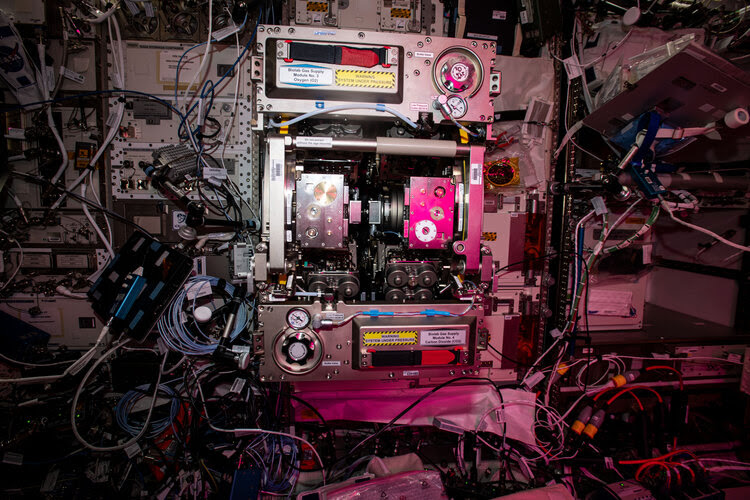
Does this image give you anxiety or are you already tracking where all the wires go? If the latter, you might have what it takes to be an astronaut!
It is an exciting time for space. With NASA’s latest rover safely on Mars and ESA’s call for the next class of astronauts and, in a first, parastronauts, the space industry is teeming with possibilities. This image taken in ESA’s Columbus laboratory on the International Space Station is a snapshot of the many opportunities in space research and exploration.
In the centre is the Biolab facility, a fridge-sized unit that hosts biological experiments on micro-organisms, cells, tissue cultures, small plants and small invertebrates. Performing life science experiments in space identifies the role that weightlessness plays at all levels of an organism, from the effects on a single cell up to a complex organism including humans.
The facility has enabled researchers to make some remarkable discoveries, most notable that mammalian immune cells required a mere 42 seconds to adapt to weightlessness, prompting more questions but also an overall positive outlook for long-duration human spaceflight. The pink glow in the image is from the greenhouse that has enabled many studies on plant growth in space.
With plans to visit the Moon and Mars, future astronauts will need a regular, fresh source of food as they take on these missions farther away from home. In addition to providing much-needed vitamins and minerals, growing plants in space contributes to sustainability and adds a homey touch to exploration.
Growing plants in the microgravity conditions of the International Space Station has allowed researchers to fine tune the approach: European research showed plants respond best to red and blue light, giving the Columbus module a disco feel.
If you look closely, you can spot Astro Pi Ed to the left of Biolab. As part of ESA astronaut Tim Peake’s Principia mission (2015–2016) to the ISS, two space-hardened Raspberry Pi computers, called Astro Pis and nicknamed Ed and Izzy, equipped with environmental sensors, were sent to the Space Station. They are regularly used to run students’ and young people’s programs as part of the Astro Pi Challenge.
Of course, a whole host of researchers, ground control crew, and mission support specialists make space research and exploration possible. The excitement of space continues. If you think you have what it takes, apply to be part of the team.
Updates from the GEO Health CoP
Upcoming Webinars & Workshops
USAID Partnerships for Enhanced Engagement in Research (PEER) program: PEER as a Catalyst for Fire Science and Policy in Colombia (by Dolors Armenteras, National University of Colombia) on Friday, March 5, 2021 from 11:00AM-12:00PM ET (GMT-5) (attached flyer). The speaker will present her research on integrated fire management and its journey to informing a new law in Colombia. This research was conducted in collaboration with Dr. Jennifer K. Balch at University of Colorado, Boulder, whose research was funded by NASA and NSF.
American Mosquito Control Association Virtual 87th Annual Meeting: This conference will be held virtually from March 2-5, 2021. This meeting will provide an opportunity for members of the mosquito control community – researchers, educators, vector control professionals, industry representatives, students, among others – to share expertise through plenary and poster sessions and symposia. Notably, the NASA Health and Air Quality Applications focus area will support one session (“NASA Earth Observations for Improved Vector-borne Disease Surveillance and Risk Characterization” session with five panelists on Friday, March 5, 2021from 11:00AM-12:30PM EST (GMT-5)and one presentation in the Disease & Vector Studies session (“Using Satellite Data to Enhance One Health Networks in Vector Control” on Friday, March 5, 2021 from 4:00-4:10PM EST (GMT-5). To learn more about AMCA2021, please review the agenda and registration information.
National Institutes of Environmental Health Sciences: The team is organizing a satellite session, Implementation Science to Support Public Health Interventions for Climate Change, at the upcoming Consortium of Universities for Global Health Annual Meeting 2021. This virtual session is free and will be held on March 9, 2021 at 11:00AM EST (GMT-5).
National Academies of Sciences, Engineering, and Medicine: As part of the Climate Conversations: Pathways to Action monthly webinar, the Climate Conversations: Climate & COVID-19 webinar will be held on Thursday, March 18, 2021 from 3:00-4:00PM ET (GMT-4). In this webinar, Laura Helmuth (Scientific American) will moderate a conversation between Georges Benjamin (APHA) and Kris Ebi (University of Washington) that is both reflective about the intersections between climate change and COVID-19 over the last year, and forward-looking at the state of progress on addressing these issues in the U.S.
US Environmental Protection Agency: Air Sensor Performance Targets on Wednesday, March 24, 2021 at 3PM ET (GMT-4). During this webinar, EPA scientists will discuss recommended guidelines that they have developed for testing protocols, metrics, and target values for fine particulate matter and ozone air sensors.
American Association of Geographers (AAG) Annual Conference 2021: This conference will be held virtually from April 7-11, 2021. More than 4,500 presentations and posters will be presented on topics including climatology and meteorology, land use, medical and health geography, and environmental science.
Upcoming ARSET Training
Use of Solar Induced Fluorescence and LIDAR to Assess Vegetation Change and Vulnerability: This four-part series will be held on March 16, 18, 23, and 25, 2021, from 11:00AM-1:00PM EDT (GMT-4). This introductory webinar series will cover the fundamentals of Solar Induced Fluorescence (SIF) and LIDAR, their applications, and an overview of different satellite data sources that are openly available. In addition, it will also include a step-by-step guide on how to access, open, and interpret SIF and LIDAR data.
In a series of three half-day virtual meetings from March 16 – 18, 1:00- 5:00PM EST, the NASA A-CCP Air Quality Workshop will focus on current applications and future opportunities of Aerosol and Clouds, Convection, and Precipitation (A-CCP) observations to support air quality and disaster applications. The workshop will bring together representatives from federal and state operational agencies, private companies and boundary organizations to discuss how NASA A-CCP aerosol products could be better leveraged to inform decision-making activities. The workshop will also provide an opportunity for end users to engage with the A-CCP Designated Observable Applications Study Team to address current satellite uses and challenges as well as future satellite needs.
A tentative agenda will be posted to the workshop website soon, so please check back for details of speakers and panelists. Please register to receive telecon info. Registration is free and easy.
It is my tremendous pleasure to announce the launch of the newest NASA Health and Air Quality Applied Sciences Team (HAQAST)! We are a team of 14, hailing from research institutions across the US, from Florida to Alaska. And we’re headquartered here, at the University of Wisconsin-Madison. We are at the outset of a four-year mission, which will conclude in late 2025. Our goal? To apply NASA satellite data and products to real-world, air quality and public health needs, wherever they may crop up. And this is where you come in.
While we have our core team, we are in the first stages of building the wider HAQAST community. And it is that wider community—you who are reading this!—who will help determine the course of our applied research. We will soon be looking for stakeholder partners for our Tiger Teams (short term, applied projects focused on specific end-user needs), and we are always looking for input from the stakeholder community on how best to connect NASA data and products with your needs.
One Health Newsletter: The March 2021 issue has been released! If you are interested in contributing an article for the next Spring/Summer issue (Theme: One Health in Action), please email your topic to the Editorial Team (onehealthnewsletter@gmail.com).
UN: Strengthen ‘One Health approach’ to prevent future pandemics – WHO chief While the concept of One Health – where multiple sectors communicate and work together to achieve better public health outcomes – may have once seemed simple, “it is no longer”, WHO Director-General Tedros Adhanom Ghebreyesus said. “We can only prevent future pandemics with an integrated One Health approach to public health, animal health and the environment we share. Now is the time to take our partnership to a new level”, he underscored.
There is also increasing recognition that a One Health approach to food systems is also important and chronic food insecurity and/or distrust of intensively produced food are key drivers of risky practices. If you’ve not seen this, it might be of interest: https://www.globalhungerindex.org/issues-in-focus/2020.html.
NASA HARVEST: The HARVEST Newsletter for February 2021 has been released! Please learn about CropsHelmets field data collection campaign, NASA research proposal solicitations, Biomass estimation using vegetation indices, and Selecting the right EO data for crop classification. Please review archived HARVEST Newsletters and subscribe to the listserv.
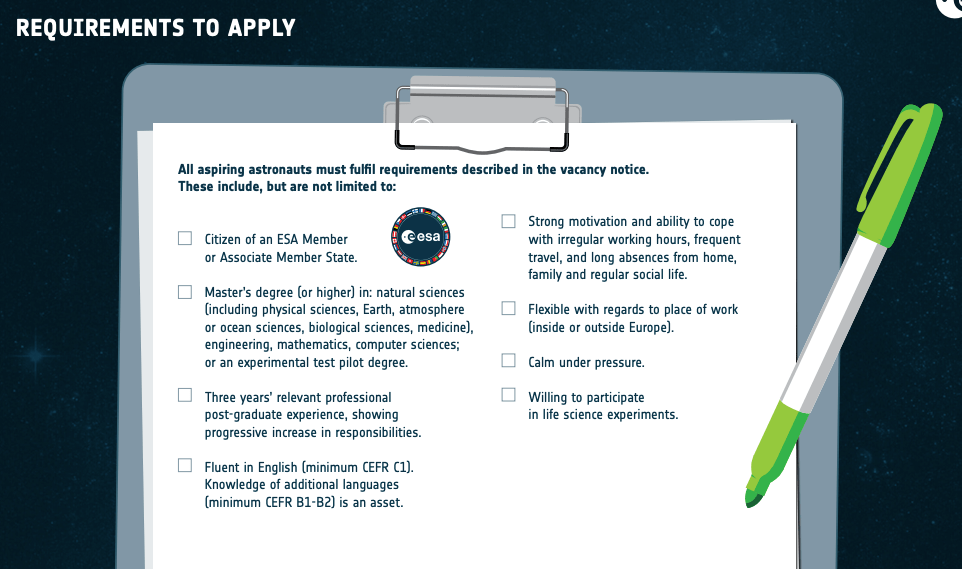
If you are interested, or even just curious, the European Space Agency – ESA Astronaut Recruitment website is now live: https://www.esa.int/YourWayToSpace.
Some exciting developments include an emphasis on diversity and inclusion, and a new “Parastronaut Feasibility Project”. If you might be eligible to apply, the FAQ page is a great resource.
Video of the press briefing in English:
For the first time in 11 years, ESA is looking for new astronauts to work alongside ESA’s existing astronauts as Europe enters a new era of space exploration.
Speakers include Jan Wörner, ESA Director General; Samantha Cristoforetti, ESA astronaut; Tim Peake, ESA astronaut; David Parker, ESA Director of Human and Robotic Exploration; Frank De Winne, ESA Low Earth Orbit Exploration Group Leader, Head of the European Astronaut Centre; Jennifer Ngo-Anh, ESA Research and Payloads Programme Coordinator, Human and Robotic Exploration; Lucy van der Tas, ESA Head of Talent Acquisition.
Press briefings in French, German, Italian, Spanish and Dutch, are available in the ESA video gallery.
Explainer: what influences air temperature? (Australian Bureau of Meteorology) Air temperature matters to us all, every day. We dress to be comfortable in it. We carry out our business activities, from agriculture to construction, with it in mind. Extremes of temperature, such as heatwaves and very cold weather, can put lives in danger. While temperature is largely caused by the sun and weather systems there are other factors that influence it. So, what are the main influences and how might they affect where you are?
One Health Lessons Let’s talk about how the environment affects animal health and human health. Let’s talk about how people can collaborate to make the world healthier and more sustainable. This collaboration is called “One Health” and this site is full of One Health lessons for children and the general public.
Webinars
Mars Society Executive Director Lucinda Offer will give an online talk at the Royal Astronomical Society about planning for Mars exploration and a human mission to the Red Planet, as well as an update about the Mars Society and its programs. We invite you to watch virtually on Tuesday, January 26th at 13:00 GMT. For full details, including how to register, please visit: https://bit.ly/396oX7O.
Populating a Mars Base Will Be Dangerously Unsexy By Brandon Specktor In a new paper, titled “Biological and social challenges of human reproduction in a longterm Mars base, researchers dig into exactly what those challenges would be — and the morally questionable solutions that may accompany them.
Human Reproduction in the Space Environment – Challenges and Conundrums
Conferences
The 2021 AsMA Annual Scientific Meeting has been postponed. It is now scheduled for August 29 – September 2, 2021. The AsMA Annual Scientific Meeting has also moved from the Peppermill Resort Hotel, Reno, Nevada to the Sheraton Denver Downtown Hotel, Denver, Colorado. Read details on decision to postpone. For those who plan to attend but do not hold a meeting registration, the online registration system will open April 1, 2021. The online room reservation system for the Sheraton Denver Downtown Hotel will be available on the AsMA website soon.
Sex and Gender Disparities in the COVID-19 Pandemic (January 27, 2021, 11:00 Eastern Time) In the inaugural session of the ORWH series, “Diverse Voices: COVID-19 and the Health of Women,” Ana Langer, M.D., the director of the Women and Health Initiative (W&HI) at the Harvard T.H. Chan School of Public Health, and Jewel Gausman, Sc.D., M.H.S., a research associate at the W&HI, will lead a plain-language discussion of topics explored in their commentary article “Sex and Gender Disparities in the COVID-19 Pandemic,” recently published in the Journal of Women’s Health. Register: https://nih.zoomgov.com/meeting/register/vJItcu2vpj4rHBiFFgqUgfM1U24HWrN69Oo
Opportunities
The Space4Women Network is a mentoring platform run by the United Nations Office of Outer Space Affairs. It promotes gender equality and gender empowerment in the space sector. Space4Women Mentors are selected from leaders and professionals in the space industry and represent various fields and geographic regions.
One of the Space4Women Mentors, Ilaria Cinelli, is a co-leader of the Space Exploration Project Group of SGAC. Currently, she is running two activities a part of her duties under the network: a blog on Instagram, @SheRunsSpace, and an e-book, Unspoken. You can contribute to both activities right now and share your space story!
Conferences
The British Interplanetary Society has opened a Call for Abstracts for its flagship conference, Reinventing Space 2021. The call will close on January 31st 2021. Abstracts should be a summary of the paper, rather than an introduction, and must be limited to 500 words. More information, and the submission form, is available at https://www.bis-space.com/reinventing-space/ Early submission is encouraged.
UoAASMS Conference: ‘Space Medicine and its Benefits for Health on Earth‘. On Saturday 6th and Sunday 7th of February 2021, we at the University of Aberdeen Aviation and Space Medicine Society will be hosting our very first interactive virtual student conference, with the theme of Space Medicine and its Benefits for Health on Earth. Online: eventbrite.co.uk.
International Astronautical Federation Join us for the special event jointly organized by the IAF and IAF Member Israel Space Agency (ISA) – 26 January 2021 (online). REGISTER HERE. The Israeli Space Agency will be hosting the 16th Ilan Ramon International Space Conference as part of the 2021 Israel Space Week events on Jan 26-27, 2021. The 2021 Conference’s main theme this year will be ‘Pivoting to Space: New opportunities for Industries and Governments’.
Webinars
Polar Medicine On behalf of the AMSRO chapter at the University of Michigan Medical School, we would like to invite you all to a talk with two aerospace medicine residents at UTMB about their recent experiences training in Antarctica!! How cool! You will not want to miss this one to learn about extreme medicine being practiced in the most extreme of environments! We would love for all of you to join! WHO? All AMSRO medical students and residents everywhere WHEN? Jan 28th, 2021 @ 7pm-8pm EST WHERE? Zoom: https://umich.zoom.us/j/95732294745 HOW? RSVP via our Google Form.
International Space University (ISU) “Discover ISU” (Jan 30 and Feb 6, 2021): https://discover.isunet.edu/. Visit ISU and discuss with faculty and alumni to learn the benefits of ISU’s educational and professional-development programs, and how to apply.
Opportunities
Deep Space Food Challenge
As NASA develops concepts for longer crewed missions to Mars and beyond, the agency will need innovative and sustainable food systems that check all the boxes. The Deep Space Food Challenge, a NASA Centennial Challenge, seeks ideas for novel food production technologies or systems that require minimal resources and produce minimal waste, while providing safe, nutritious, and tasty food for long-duration human exploration missions. Solutions from this challenge could enable new avenues for food production around the world, especially in extreme environments, resource-scarce regions, and in new places like urban areas and in locations where disasters disrupt critical infrastructure. Open Date: January 12, 2021 Close Date: July 30, 2021 Prize Purse: Up to $500K for Phase 1 for U.S. citizens Frequency: Potential for two phases For more information, visit:www.deepspacefoodchallenge.org
Conferences
GLEX 2021 (14-18 June, St Petersburg, Russia) – the call for abstracts closes on 29 January.
Understanding the Origin of Life: A Geologists Perspective (Saturday 30 January via Zoom). How did life form on Earth? Is there life elsewhere in the universe? These fundamental questions drive scientists to explore other planets, as well as deep within our own Earth, in search for answers. Speaker: Luke Steller, PhD candidate from the Australian Centre for Astrobiology (ACA). Host: Centre of Excellence for Astrobiology, Amity University, Mumbai. RSVP: https://www.acoea.com/event-details/understanding-the-origin-of-life-a-geologists-perspective.
My name is Mark Rosenberg and I am the founder of the AMSRO interest group at the Medical University of South Carolina. On February 25th from 7:45-8:45pm ET, we will be hosting Dr. Erik Antonsen, assistant director for Human Systems Risk Management at NASA Johnson Space Center and previous medical team member for Red Bull Stratos,as he shares his experiences practicing emergency/space medicine and its involvement in safety planning for long-duration space travel! This will be an amazing event to hear the inner workings of being a flight surgeon who works directly with astronauts. This event is open for all; and we would love for you all to join! The event flyer can be seen below for additional information. The RSVP link can be found here: https://www.surveymonkey.com/r/3Y5FLYK. The zoom link to join can be found here: https://us02web.zoom.us/j/88409893798?pwd=NS9zYm1Zd0xIdDVFaGk5Y1JSS1pkUT09. If you have any questions do not hesitate to reach out.
Opportunities
Earth and Space Exploration Resident Scientist Program: Ladakh 2021 Are you an Earth/Planetary Science Researcher experienced in field work? Are you passionate about mentoring and inspiring the next generation of explorers? Are you interested to live and work in the field in Ladakh, India for a month in June-Oct 2021, mentoring student teams? (travel, stay and meals covered) Read On! We seek applications from Astrobiology, Earth and Planetary Science Researchers for our Earth and Space Exploration Program in Ladakh, India starting June 2021. The opportunity allows the resident scientist to conduct their own research in Ladakh (Tso Kar and Puga region) and serve as mentors and role-models for incoming student teams. The program will cover return airfare, meals and stay expenses in New Delhi and Ladakh for the duration of residence for the scientist. (Visa application and COVID-related travel assistance will be provided for international scientists.) Interested persons please fill up the form: https://www.acoea.com/rsp Apply by Feb 15. Students, you can sign up the interest form here, https://www.acoea.com/mars registration will start Feb 1.
One week left: POSTDOC 2101: SPACE HEALTH FELLOWSHIP. TRISH is soliciting research proposals from postdoctoral fellows exploring space translatable health protections and performance optimization. Applications are due January 28, 2021. VIEW THE SOLICITATION.
Conferences
SpaceCHI : Human-Computer Interaction for Space Exploration. A Workshop at ACM CHI 2021. Saturday May 14, 2021| EST 09:00-13:00 / CET 15:00-19:00. Our one-day workshop will consist of a keynote lecture, research presentations, lively discussion, and group brainstorming. The workshop will be held online via Zoom. We invite researchers from both academia and industry to submit a short position paper on one of the topics listed on the website. Papers should be maximum of 4 pages, and should be submitted in the CHI format. The submission deadline is February 15th, 2021. Submission portal.
Paramedic/Pre-Hospital Medicine Conferences
Trauma on the Border,Tweed Heads, NSW
Friday 19 March 2021. One day paramedic conference covering all things trauma.
ROAR – Rural Outback and Remote Paramedic Conference, Wednesday 26 – Friday 28 May 2021 Designed specifically for paramedics and allied professionals working in rural outback and remote areas
ACP International Conference, Wednesday 15 – Friday 17 September 2021. An in-depth comprehensive paramedic conference that focuses on providing the education that paramedics of all levels need
See the Australasian College of Paramedicine Events page for more details.
Call for abstracts and posters now open. The ACP and the UK College of Paramedics are working together to present the first International Paramedic Education Conference. The virtual conference will have seven education based themes. Closing date for submissions: Sunday 31 January 2021. Get all the details here.
Crisis Standards of Care and Ethical Dilemmas: A Global Perspective. Dr. Gregory Ciottone, Harvard Medical School, discusses epidemic and pandemic history, crisis levels of surge, understanding surge capability and surge capacity, and ethics. The presentation was part of the All Levels Trauma Care International Conference which was held virtually from 7-8 November 2020.
Dr. Gregory Ciottone
On December 19, 2020, the American Institute of Aeronautics and Astronautics – Los Angeles / Las Vegas Section, hosted a session on Space Architecture. Speakers around the world came together. Recordings here: Part I – Simulations and Simulators | Part II – Space Architecture. Interested in the topic? More resources from the Moon Village Association.
Opportunities
CASIS Unveils Research Announcement in Technology Advancements to Leverage the ISS National Lab. The Center for the Advancement of Science in Space (CASIS), manager of the International Space Station (ISS) U.S. National Laboratory, has made public a research announcement soliciting proposals for technology advancements and applied research that would utilize the space-based environment of the orbiting laboratory. Learn more about this opportunity here. CASIS will host a webinar for interested proposers to discuss the facilities and capabilities associated with the ISS on February 11, 2021 at 1 p.m. Eastern Standard Time. This research announcement will follow a two-step proposal submission process. Before being invited to submit a full proposal, all interested investigators must complete and submit a Step One concept for review by end of day on February 25, 2021. Full proposals (from those invited to submit) will be due by end of day April 26, 2021.
Applications are now open for the 2021 Karman Fellowship and close on 20 March 2021. The Karman Fellowship Programme is a one-year leadership programme designed to foster trust, independent dialogue and cooperation between 15 selected Karman Fellows who are below the age of 45 and have achieved outstanding accomplishments in space. Over the course of the Programme, Fellows strengthen personal relations, meet with global leaders in technology, science, business, politics and the arts, and take personal commitments to further advance space-related agendas for the betterment of humanity.
Conference Recordings: Fallings Walls and Berlin Science Week 2020 recordings.
COVID-19
Patients, clinicians, seek answers to the mystery of ‘Long COVID’. Throughout the coronavirus pandemic, public attention has mainly focused on the number of people who become severely ill and die from COVID-19. But what’s become clear in recent months is the large and growing group of people who continue to deal with prolonged symptoms long after their original illness.
Trying to make sense of ‘Long COVID’ syndrome. More than 400,000 Americans have now lost their lives to COVID-19. But thousands of others who’ve gotten sick and survived COVID-19 are finding that a full recovery can be surprisingly elusive. Weeks and months after seemingly recovering from even mild cases of COVID-19, many battle a wide range of health problems.
Taking a closer look at COVID-19’s effects on the brain. While primarily a respiratory disease, COVID-19 can also lead to neurological problems. The first of these symptoms might be the loss of smell and taste, while some people also may later battle headaches, debilitating fatigue, and trouble thinking clearly, sometimes referred to as “brain fog.” All of these symptoms have researchers wondering how exactly the coronavirus that causes COVID-19, SARS-CoV-2, affects the human brain.
GEO Health Community of Practice
Upcoming CoP Telecon: Tuesday, January 26, 2021 from 8:30-10AM EST (GMT-5), including an invited presentation by Bryan Duncan (NASA Goddard) on CityAQ, a pilot project and collaboration between NASA Goddard and World Resources Institute (WRI) that provides optimized air quality forecasts to city health and air quality managers.
Listserv Updates: Over the past year, if your information (e.g. affiliation, email) has changed, please send any revisions. Also, if you have colleagues who would be interested to learn more and join the GEO Health Community of Practice, please send the registration link.
CDC’s Zoonoses and One Health Updates (ZOHU). The next ZOHU Update will be on February 3, 2021 from 2-3PM EST/GMT-5. The agenda, after updates from CDC, is: (1) NASA and NOAA Earth Observations for Health and Air Quality Application; (2) Surveillance for Harmful Algal Bloom Events and Associated Human and Animal Illnesses — One Health Harmful Algal Bloom System, United States, 2016; and (3) SARS-CoV-2 biomarker identification and decontamination strategies to inform use of odor detection canines.
As future space explorers, we know too well how psychology and isolation will play a key role for the success of a space mission. For this, we signal you this study! There is a second call to be part of the PROTECT Mental Health COVID -19 Study. This study is looking to understand risk and protective measures for mental health and wellbeing during long periods of social distancing. Designed by Dr Elena Antonova of Brunel University London and Mr Karoly Schlosser of Goldsmiths University of London, the study has received ethical approval from Brunel University London (Reference number: 23223-MHR-May/2020-25658-2). The first survey, which takes approximately 30-40 min to complete, explores how people respond to social distancing measures introduced in many countries to mitigate the spread of COVID-19. Subsequent shorter surveys, which will take approximately 10-15 min to complete, will be administered monthly to monitor how participants are adjusting to the ‘new normal’ in terms of their coping strategies and emotional response. You may choose to only participate in the initial 30-40-minute survey, but your continued participation will help us to learn more about the long-term impact of risk and protective factors for mental health and well-being during the pandemic. Read More and Join the Study!
the ad astra vita project
There are still many current events, conferences and opportunities included in our previous CAPCOM News bulletins on the blog, so please check if there is anything of interest to you.
Please follow our blog (button below), and consider following our social media accounts on LinkedIn, Facebook and Twitter (links at the top of this page).
Our YouTube Channel contains all published videos from the recent Space Health Symposium plus additional videos and links. The remaining videos from the Symposium will be added in the near future.
The Space Health Symposium Program Page contains links to most of the presenter PDFs from the Symposium together with details about the program and links to the souvenir Program Booklet with details of all the presenters and their topics.
We also have many other fabulous Resources pages, so please explore our website, and if you would like to participate in any of our initiatives please contact us.
Tumors in Space is a cutting-edge cancer research experiment at the intersection of stem-cell biology and space technology selected by the United Nations Office for Outer Space Affairs and the China Manned Space Agency for a 31-day space mission on board the China Space Station. Anchored in Norway, Tumors in Space includes an international team of exceptional scientists at several European partner organizations including the University of Oslo and the Norwegian University of Science and Technology in Norway, the International Space University in France, the Belgian Nuclear Research Center in Belgium, and Vrije University Amsterdam as well as the Hubrecht Institute in The Netherlands. This chapter first presents our two novel hypotheses including the current state of scientific evidence upon which our hypotheses are based. Following, the seven main steps of our spaceflight preparation are discussed within the context of our 2025 launch date from China. Finally, some thoughts on impact, including support for the United Nation’s Sustainable Development Goals and commitment to science communication in the public domain, are given. Tumors is Space is under a programme of, and funded by the European Space Agency with the support of the Norwegian Space Agency.










 the ad astra vita project