
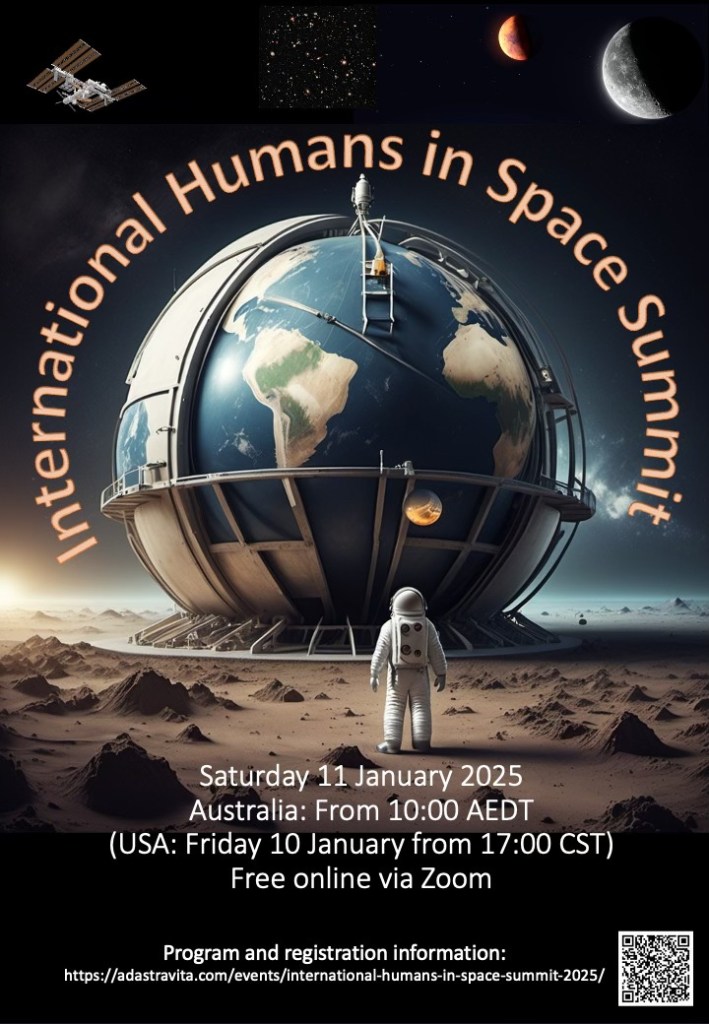
We are excited to announce that the final event in the 2024 Melbourne International Space Festival will be a special ‘New Year’ edition of the International Humans in Space Summit.
IHS 2025 will be fully virtual (via Zoom) and free for all registrants. The Summit will include a half-day session of panels and a keynote lecture from US-based experts discussing what happens to the human body in space, mishaps in space, and the history of space medicine.
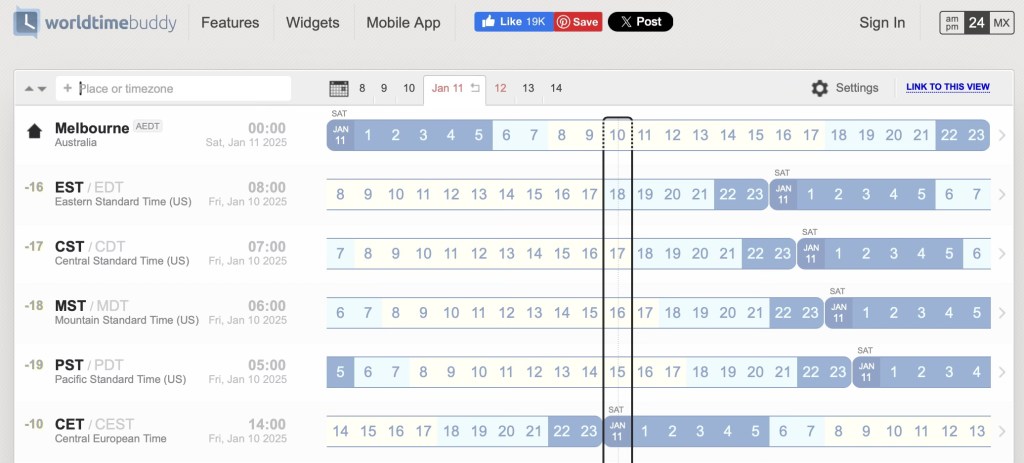
IHS 2025 will take place on Saturday 11 January 2025 (Australian time) from 10:00 AEDT. For those in North America, this will be the evening of Friday 10 January 2025 from 17:00 CST. Visit https://www.worldtimebuddy.com/ to find your time zone.
Even if you are not able to attend personally due to the time difference, we are planning to make recordings available (where presenters consent) on the ad astra vita project YouTube channel.
Registration
To attend the Summit, all participants must register in advance via Humanitix. The Zoom link will be emailed to all registrants prior to the Summit.

QR code for Humanitix registration page
Feel free to share the registration link (or our posters below) with colleagues and friends who might be interested.
Program Outline
| Saturday 11 January 2025 | Friday 10 January 2025 (US time) | |
| Australian times | Panel #1: Physiology in Space | |
| 10:00 AEDT | 17:00 CST | Dr Michael O’Connor – Respiratory System in Space* |
| 10:15 AEDT | 17:15 CST | Dr Robert Fong – Homeostasis in Space |
| 10:30 AEDT | 17:30 CST | Dr Kristen Trela – Hemodynamics in Space |
| 10:45 AEDT | 17:45 CST | Lt Col Jamie Harvey – Circadian Rhythm Disruption in Space |
| Panel #2: When Mishaps Occur in Space | ||
| 11:00 AEDT | 18:00 CST | Dr Keith Ruskin – Complex Systems |
| 11:15 AEDT | 18:15 CST | Dr Stephanie Bond – Burn Care in Space |
| 11:30 AEDT | 18:30 CST | Dr Anna Clebone Ruskin – Space Motion Sickness |
| 11:45 AEDT | 18:45 CST | Dr Naomi Schmelzer – Anxiety and Agitation During Commercial Space Flight* |
| Keynote | ||
| 12:00 AEDT | 19:00 CST | Dr Jeff Davis, History of Space Medicine* |
| *These presentations will not be recorded. | ||
Thank you to our panellists and keynote speaker
Special thanks are due to Dr Anna Clebone Ruskin for coordinating the two panels, and to Dr Jeffrey Davis as our keynote speaker.
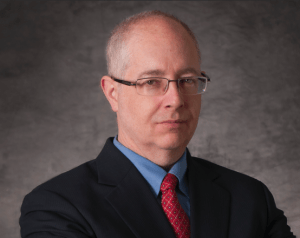
Dr Michael O’Connor – Respiratory System in Space
Michael F. O’Connor is an anesthesiologist and intensivist in the Department of Anesthesia & Critical Care and the Department of Medicine at the University of Chicago. He has been the Executive Medical Director of Critical Care Services for the University of Chicago since 2008. He is the Director of the most popular and highly rated senior selective at the University of Chicago, Vignettes in Physiology.

Dr Robert Fong – Homeostasis in Space
Robert Fong received undergraduate training at New York University. Received MD and PhD degrees from the University of Chicago, with graduate thesis work in Biochemistry and Molecular Biology focusing on the study of autocatalytic RNA molecules and development of technologies to detect post translational mRNA modifications. Anesthesia residency at the University of Chicago, before joining the faculty in the Department of Anesthesia and Critical Care. Currently Assistant Professor and Director of the Anesthesia Perioperative Medicine Clinic. Current area of research related to basic science investigation of anesthetic mechanisms and development of strategies to accelerate emergence and recovery from general anesthesia, for which there are currently no available reversal agents in routine clinical use. Director of the Anesthesia Board Prep program for Dannemiller Healthcare Education.

Dr Kristen Trela – Hemodynamics in Space
Kristin Trela is an assistant professor and cardiothoracic anesthesiologist and echocardiographer at the University of Chicago in Chicago, IL. She completed her medical school at the University of Michigan and her anesthesiology residency and chief residency at Johns Hopkins University. She then completed cardiothoracic anesthesiology fellowship at the University of Chicago before joining faculty. She specializes in advanced hemodynamic management, complex cardiac disease, and mechanical circulatory support.
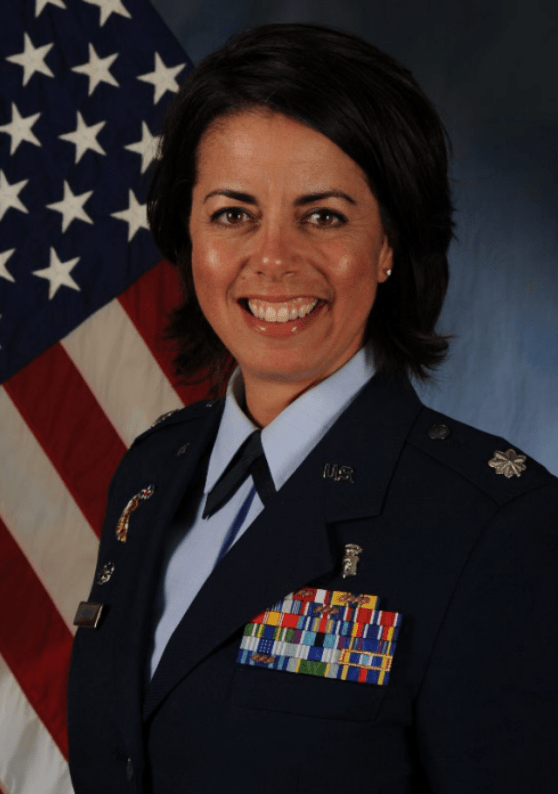
Lt Col Jamie Harvey – Circadian Rhythm Disruption in Space
Lieutenant Colonel Jaime R. Harvey is currently serving as the Aerospace Physiology Training Unit Commander located at Peterson Space Force Base, Colorado. She is assigned as the 306th Flying Training Group’s Aerospace Physiologist located at the United States Air Force Academy supporting the academy’s airmanship programs for 2,500 cadets annually as well as the USAF’s Initial Flight Training program located at Pueblo, Colorado for 2,200 undergraduate flight training candidates annually. Her unit also directly supports the 479th Flying Training Group providing aerospace physiology for 400 undergraduate Combat Systems Officers. She manages over $10M in aircrew training devices ensuring combat readiness for 840 aircrew annually. Lt Col Harvey was commissioned in 2000 from Louisiana State University, AFROTC Detachment 310 into the Biomedical Sciences Corps. She has served as an Aerospace & Operational Physiologist for 24 years, is a Board-Certified Aerospace Physiologist (CAsP), and a Fellow of the Aerospace Medical Association (FAsMA). She previously served as Headquarters United States Air Forces in Europe/Africa’s Command Aerospace Physiologist as well as the Chief of Aircrew Support and Standardization & Evaluations directing 6 functional area mangers and $93 million in readiness activities posturing forces across Europe and Africa. She is married to Lt Col Craig Harvey (USAF, ret) and they have 2 children. Lt Col Harvey is has logged over 111 hours as primary aircrew in C-130J, KC-135, C-21, C-37, HH-60G, UV-18A, and T-53 aircraft and more than 500 hours of flight observation time in a variety of aircraft, including the T-37, T-6, T-38C, AT-38, F-16D, F-15E, F-15D, MC-l30P, MH-53J, CV-22, B-52H, UH-IN.
Dr Naomi Schmeltzer – Anxiety and Agitation During Commercial Space Flight
Naomi A Schmelzer, MD MPH, is the Director of Medical and Emergency Psychiatry at Brigham and Women’s Faulkner Hospital and an Instructor in Psychiatry at Harvard Medical School. She also serves on the hospital’s ethics committee and ethics consultation service. Her clinical and academic focus is on developing initiatives to improve the management of agitation, reduce the use of restraints, and improve the delivery of care for patients boarding in the emergency room.

Dr Keith Ruskin – Complex Systems
Keith J Ruskin, MD is a Professor of Anesthesia and Critical Care and Director of Aerospace Medicine at the University of Chicago. His clinical practice focuses on neurosurgical anesthesia. His major academic interests include neurosurgical anesthesia, human performance, and aerospace medicine. His career has focused on teaching these disciplines to practicing physicians. Keith has worked as part of a team to develop guidelines for screening morbidly obese pilots for obstructive sleep apnea and for the management of in-flight cardiac arrest. He has developed a fatigue risk management program for physicians who must work overnight shifts and participated in a NASA workshop on space torpor. Keith is also interested in the terrestrial applications for this work, writing articles on the role of automation in the operating room and how personal protective equipment affects human performance. His funded research involves developing guidance for the next generation of alarms, alerts, and warnings in Air Traffic Control.
Keith has published original research, review articles, and textbooks on a variety of topics, including willingness to fly during the COVID-19 pandemic, management of critical events, and other topics related to safety and human performance. He also teaches two undergraduate classes at the University of Chicago: “Conquest of Pain,” which covers pain physiology, and “Physiology in Extreme Environments.” Keith serves on the American Society of Anesthesiologists’ Patient Safety Editorial Board and Committee on Patient Safety Education and is Chair of the Aerospace Medical Association’s Aerospace Human Performance Committee. He holds the titles of Fellow of the Aerospace Medical Association, Fellow of the Royal Aeronautical Society, and Fellow of the American Society of Anesthesiologists. He is also a senior member of the Institute of Electrical and Electronics Engineers.
Keith grew up in Miami Beach. He received a Bachelor of Science in Biology and Biotechnology from Worcester Polytechnic Institute. He then attended medical school at the University of Miami School of Medicine and completed his residency at New York University Medical Center. He spent 20 years on the faculty of Yale University before being recruited to the University of Chicago. Keith has had a lifelong interest in aviation and currently holds a Commercial Pilot certificate with Airplane Single-Engine Land and Sea, Multi-Engine Land, and Instrument Airplane ratings. He holds a Second in Command type rating for the DC-3. Keith currently flies a Cessna Skylane out of Chicago Executive Airport (KPWK) but would love to would fly a jet if he made more money.
Dr Stephanie Bond – Burn Care in Space
Dr. Stephanie Bond is a resident in plastic surgery at the University of Chicago who will be specializing in burn critical care. She attended medical school at the University of Massachusetts. Her publications include The revised baux score as a predictor of burn mortality: a systematic review and meta-analysis in the ‘Journal of Burn Care,’ Comparing the efficiency of tumescent infiltration techniques in burn surgery in the Journal of Burn Care and Research, and Review of health insurance policy inclusivity of gender nonconforming and nonbinary individuals seeking gender-affirming health care in the Journal ‘Transgender Health.’
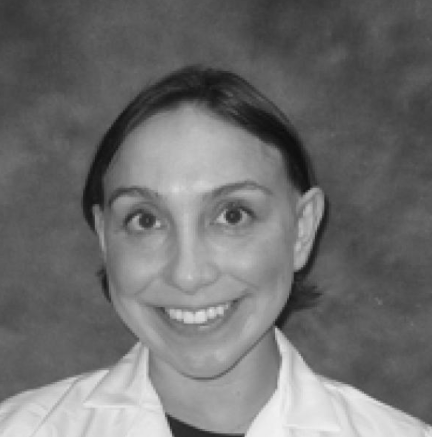
Dr Anna Clebone Ruskin – Space Motion Sickness
Dr. Anna Clebone is an Associate Professor at the University of Chicago. Her research focuses on applying human factors principles to anesthesiology, with an emphasis on clinical cognitive aid design and implementation. This work is also applicable to aid rapid decision making in other high-stakes domains. For Air Traffic Control, she is co-author of an ‘Alarm Design Framework’ and helped lead research on the iterative design of microburst and multiple airport route separation signals. She has published in Anesthesiology, Anesthesia and Analgesia, Pediatric Anesthesia, Regional Anesthesia and Pain Medicine, Current Opinion in Anesthesiology, Clinical Anesthesia and Computing, Vaccine, Transportation Research Interdisciplinary Perspectives, and the National Transportation Library with collaborators from the Human Integration Division of the NASA Ames Research Center, Yale University, The University of Colorado, Vanderbilt University, Embry-Riddle Aeronautical University, and the Federal Aviation Administration. Dr. Clebone has edited multiple textbooks, including ‘Pediatric Anesthesia Procedures Illustrated,’ and ‘You’re Wrong, I’m Right: Dueling Authors Reexamine Classic Teachings in Anesthesia.’ She is a Vice-Chair for the Quality and Safety Committee of the Society for Pediatric Anesthesia (SPA) and Chair of the Checklist Subcommittee. In these roles, she led efforts for the committee to create an Implementation Guide and the new PediCrisis App 2.0. Dr. Clebone has given lectures on these topics nationally and internationally. Dr. Clebone is a Fellow of the Aerospace Medical Association, and Co-Course Directs an ‘Extreme Physiology’ class for the University of Chicago Biological Sciences Division.
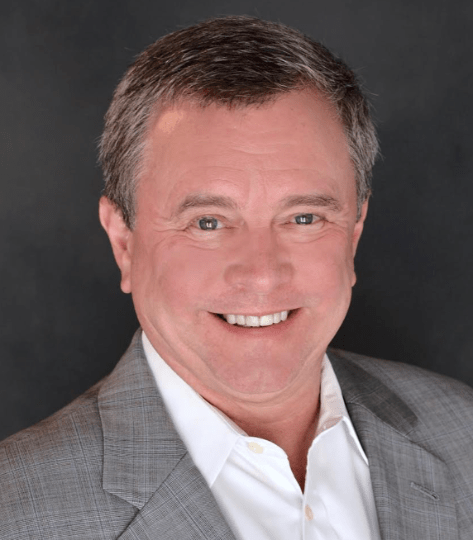
Dr Jeff Davis – History of Space Medicine
Jeffrey R. Davis, MD is the Founder and CEO of Exploring 4 Solutions, LLC. He is a recognized international leader and consultant in strategic and open innovation, human system risk management in health care systems, and aerospace medicine. Jeff provides consulting expertise and experience in strategic and open innovation through keynote lectures, collaborative and open innovation projects, organizational change management, and project management. Jeff serves as a Senior Advisor for Human Health and Performance for Star Harbor, an instructor at the Rice University Glasscock School of Continuing Studies, a member of Open Assembly, an advisor to the Ignite HealthCare Network, a member of the advisory council for Medical Bridges and as an advisor to the Baylor Translational Research Institute for Space Health (TRISH) Data Privacy Review Board (DPRB). Jeff also teaches open innovation in MBA, Executive MBA, engineering and management courses at Rice, Cornell, the University of Texas at Austin, and the Naval Postgraduate School. He is an alumnus of the Laboratory for Innovation Science at Harvard (LISH). Prior to Exploring 4 Solutions, Jeff served as the Director, Human Health and Performance, and the Chief Medical Officer for the NASA Johnson Space Center. He helped develop and served as the deputy director for the NASA Center of Excellence for Collaborative Innovation (CoECI). Jeff received his B.S. degree in Biology from Stanford University, an M.D. degree from the University of California at San Diego, and a Master of Science degree from Wright State University. He is certified by the American Board of Preventive Medicine. Jeff is the senior editor of Fundamentals of Aerospace Medicine, 5th edition, published July 2021. Additional information on request.
Posters
YouTube videos from IHS 2023
Visit our YouTube channel and playlist to view the videos from the 2023 Summit, and many more: https://www.youtube.com/playlist?list=PL4PAynk-yILssi39Zin-qOnKvSDnJrerh. Videos from the 2025 Summit will also be provided where presenters consent.
Panel 1: What Training Might be Needed to Administer Anesthesia in Space?
Panel 2: Medical considerations for commercial low Earth orbit
Panel 3: Space Implications of UAV Use In Delivery of Health Care in Remote Regions
Session 4: Professor George Pantalos – Suborbital Flight – Stepping Stone to Space
Panel 5: The gravity of health and human rights in space: Jus Ad Astra
Panel 6: Mars Society Australia (MSA)
About the Summit
The 6th International Humans in Space Summit, previously the Australian Space Biology x Health Summit (ASBX), was established in 2019 with the vision to bring the international research and industry community together to bridge the gap between science, industry, and policy relating to the human exploration of space in a diverse and accessible manner that also serves to stimulate and support the interest of ‘the next generation’ in space-related careers. It has a philanthropic aim to help children and young people experiencing challenging circumstances, and since 2023 has been fundraising for the UNICEF Ukraine Emergency Appeal.
Due to the pandemic, the Summit was held online in 2020 and 2021, and was held in person in Sydney in 2022. The 2023 virtual Summit was the final event in the new Melbourne International Space Festival.
Original Founders of the Summit
Dr Rowena Christiansen, the University of Melbourne
Dr Joshua Chou, Explor Biologics
Dr Christine Mehner, Mayo Clinic (USA)
How to get involved
- Share our poster and registration link with others who might be interested
- Visit the SpaceFest 2024 page to see if there might be other events you are interested in
- Fundraising for the UNICEF Ukraine Emergency Appeal: https://ukraine.unicef.org.au/t/ihs2022
- Consider joining the brand-new Organisation for Space Medicine, Engineering and Design (OSMED) – find out more here.
- Any questions? Email the team via: contactus@adastravita.com.
 the ad astra vita project