
Dr Rowena Christiansen and the ad astra vita project – Space Policy Explainer Series
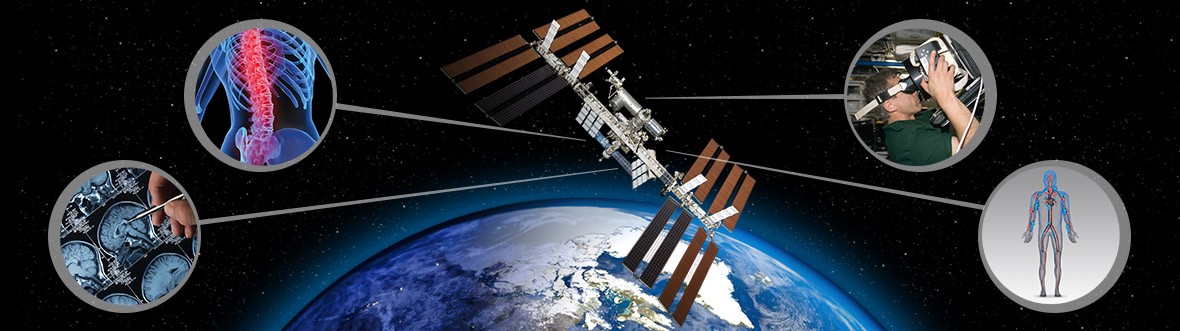
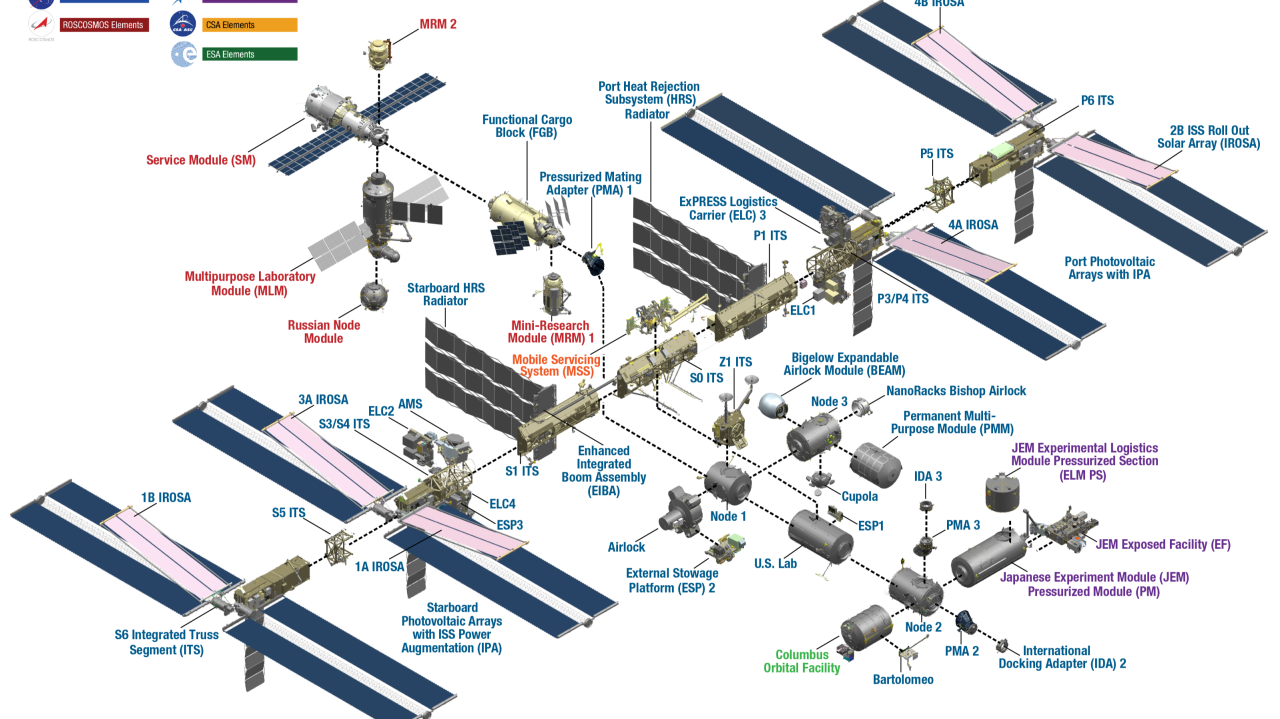
The International Space Station (ISS) is often described as humanity’s most advanced laboratory in space. Orbiting about 400 km above Earth, it enables research that cannot be performed under normal gravity conditions.
But what many people don’t realise is just how complex it is to get a scientific experiment there.
Sending research to the ISS is not as simple as packing equipment onto a rocket. It typically involves years of planning, international collaboration, rigorous safety testing, and significant financial investment.
Here is a simplified look at how the process usually works.
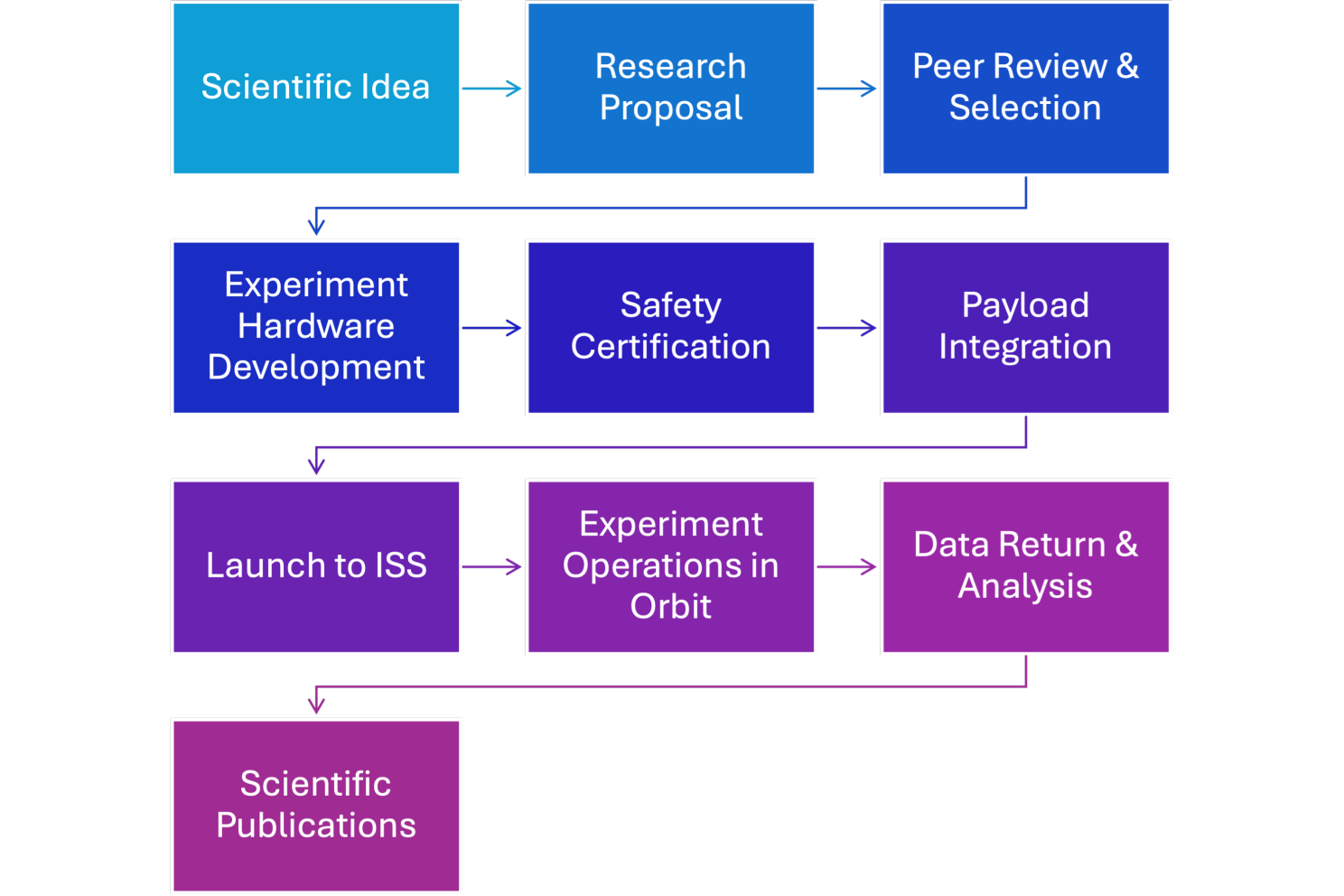
1. The research idea
Everything begins with a scientific question. Researchers may want to study how microgravity affects biological systems, materials, fluid dynamics, combustion processes, or human physiology.
Microgravity can reveal phenomena that are hidden on Earth. For example, without gravity-driven convection or sedimentation, researchers can observe physical and biological processes in new ways.
2. Proposal and selection
Scientists typically submit research proposals through national space agencies or partner organisations involved in the ISS program.
The station itself is operated by an international partnership including NASA, the European Space Agency (ESA), the Japan Aerospace Exploration Agency (JAXA), the Canadian Space Agency (CSA), and Roscosmos.
Proposals usually undergo several layers of review, including:
· scientific merit
· feasibility in the space environment
· safety for astronauts and spacecraft systems
· engineering compatibility with the ISS.
Competition can be intense, and many proposals do not progress beyond the review stage.
3. Engineering the experiment
Once selected, the real work begins.
Experiments must be redesigned to operate safely in space. This often requires developing specialised hardware capable of withstanding:
· launch vibration and acceleration
· strict fire safety requirements
· microgravity fluid behaviour
· limited power and data availability
· restricted astronaut interaction time.
Developing flight-qualified hardware can take several years.
4. Payload integration and testing
Before launch, the experiment must be integrated into a payload system compatible with spacecraft carrying cargo to the ISS.
This involves extensive testing to ensure the equipment will function properly during launch, in orbit, and during astronaut operations.
Even small experiments must meet strict certification requirements before they can fly.
5. Launch to orbit
ISS experiments are typically launched aboard cargo spacecraft such as SpaceX Dragon or Northrop Grumman’s Cygnus vehicle.
These spacecraft deliver food, equipment, spare parts, and scientific payloads to the station.
Launch schedules are tightly managed, and payload space is limited, meaning experiments may wait months or years for flight opportunities.
6. Operations in space
Once aboard the ISS, astronauts may install, monitor, or operate the experiment.
Crew time is one of the most valuable resources on the station, so experiments must be carefully designed to minimise operational demands.
Some experiments run autonomously, while others require direct astronaut involvement.
7. Data return and analysis
After the experiment runs in orbit, the data are transmitted to Earth or returned on cargo spacecraft.
Researchers may spend years analysing the results and publishing their findings.
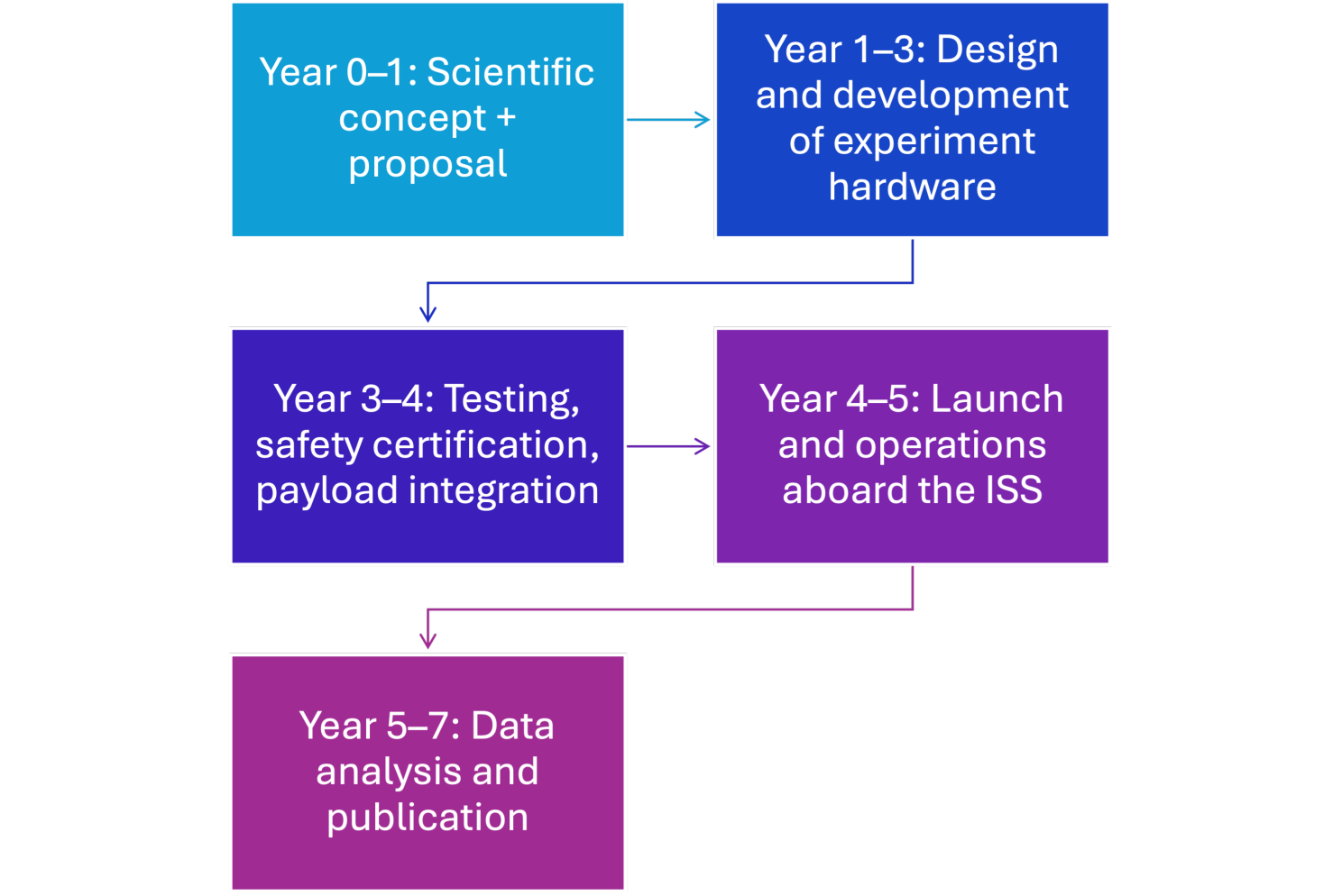
From idea to completed experiment, the entire process can easily take five to ten years.
8. What does it cost?
Costs vary widely depending on the complexity of the experiment.
Typical research payloads can range from hundreds of thousands of dollars to several million dollars. Launch costs to low Earth orbit alone are often estimated at thousands of dollars per kilogram, and developing flight-qualified hardware adds further expense.
For this reason, space experiments usually involve collaborations between universities, industry, and government agencies.
9. Why do it at all?
Despite the challenges, research conducted aboard the ISS has contributed to advances in areas including protein crystallisation, materials science, fluid physics, and biomedical research.
The station provides a unique environment that cannot be replicated on Earth, making it a valuable platform for scientific discovery.
Understanding how these experiments are developed and flown helps illustrate the scale of effort required to conduct research in space—and the remarkable level of international cooperation that makes it possible.
Part of the Space Policy Explainer Series
Prepared by Dr Rowena Christiansen (with the assistance of OpenAI’s ChatGPT for background research).
Published through the ad astra vita project ( https://adastravita.com ).
Follow us for future articles on space research and international cooperation.
ISS image credits: https://www.nasa.gov/international-space-station/space-station-facts-and-figures/; https://www.asc-csa.gc.ca/eng/iss/science/why-do-we-conduct-science-experiments-in-space.asp .
The ad astra vita project – an independent initiative exploring the future of human activity in space.

 the ad astra vita project